Safety
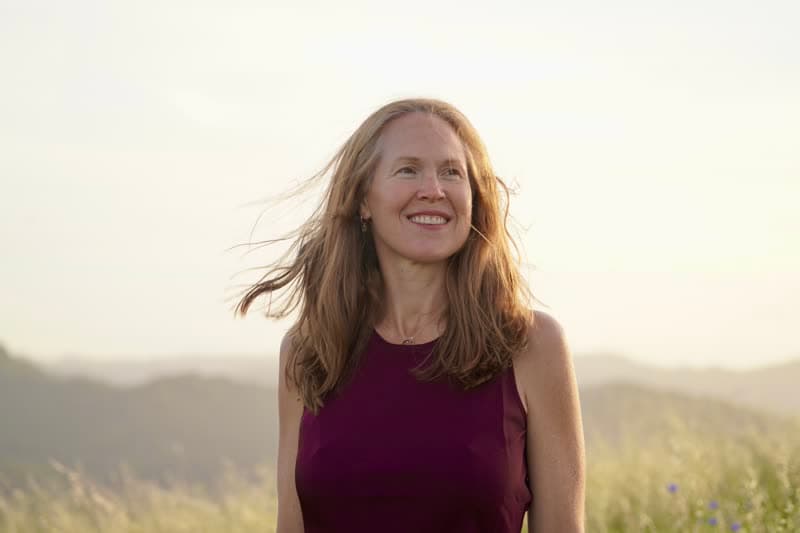
Safety is built inside the work, over time. Through steady presence, the nervous system learns that aliveness does not have to equal danger.
Philosophy
The work is grounded in safety built inside relationship, regulation that supports aliveness, and psychological flexibility that lets you move toward what matters while difficulty is still present. This page is the deeper frame beneath everything we do together.
The Foundation
Safety is built inside the work, over time. Through steady presence, the nervous system learns that aliveness does not have to equal danger.
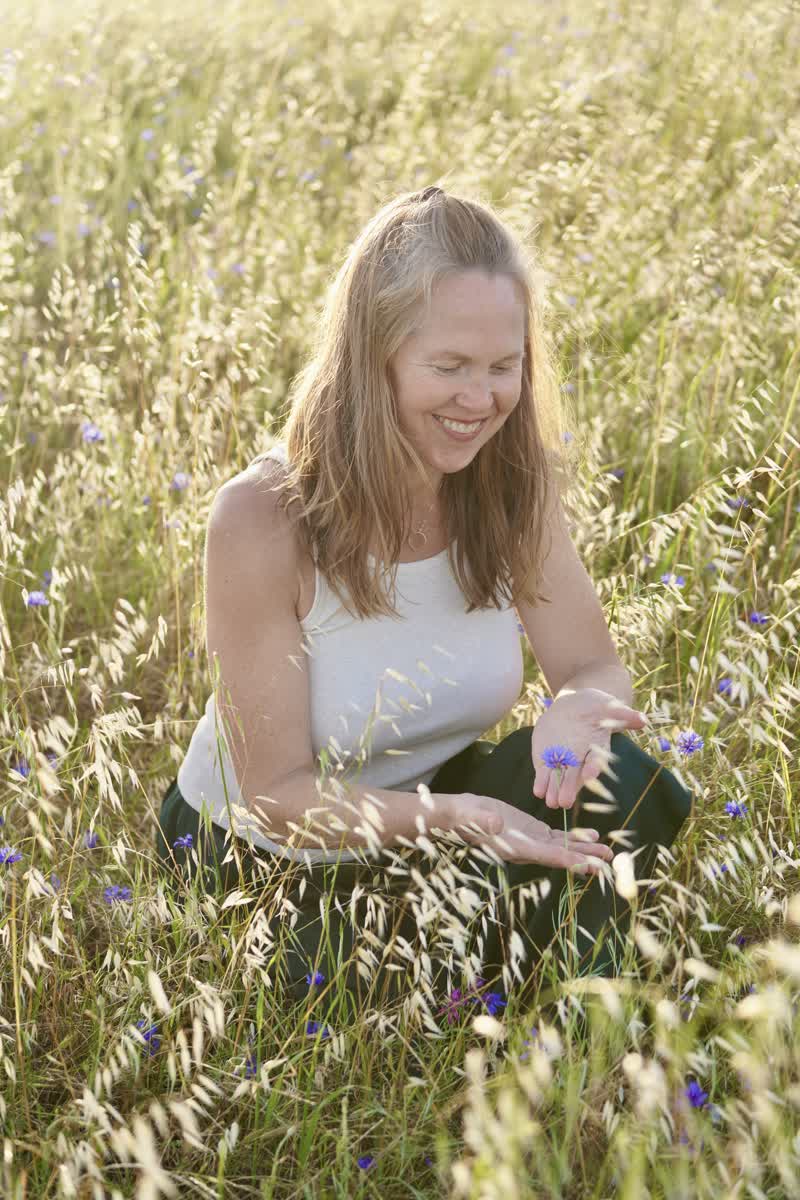
Regulation is not control. It is the capacity to stay connected to yourself while sensation, grief, longing, and truth move through.

Awareness, openness, and active engagement create a life led by values — not by old protection strategies. Presence is both practice and destination.
A brief primer

Beneath every thought you have, your nervous system is asking one question, over and over: am I safe? When the answer has too often been no — through rupture, loss, or years of holding more than one person should hold — the body learns to protect first and live second.
Regulation is not calming yourself into stillness, and it is not control. It is the growing capacity to stay connected to yourself while sensation, grief, longing, and truth move through. It is built the way it was always meant to be built: with another regulated nervous system alongside yours, and with the natural world — the oldest co-regulator there is.
This is why the work is somatic. Insight alone does not change what the body expects. Felt experience does.
How change actually happens
Psychological flexibility is the capacity to stay present with difficulty while continuing to move toward what matters. It is not the reward at the end of healing — it is what makes the journey possible.
Grounded in Acceptance and Commitment Therapy’s decades of research, this is the quiet engine of the work: learning to open to what is here, notice the stories the mind tells, and take one values-led step at a time — while the difficulty is still present.
Read the full essay: Psychological Flexibility — An Overlooked Superpower →The healing relationship
Most of what wounds us happens in relationship. Even when the rupture was an accident, an illness, a loss — what lingers is often the aloneness inside it. The sense that no one was there.
So it follows that healing happens in relationship too. What we build together is not a service I deliver to you. It is a living field between us — made of unconditional acceptance, steady presence, genuine curiosity, and real compassion. Over time, that field becomes something your nervous system can lean on. And then, slowly, something you carry inside you.
This relationship can be part of the medicine you have been looking for.
You are seen without being assessed. Nothing about you is a problem to be solved.
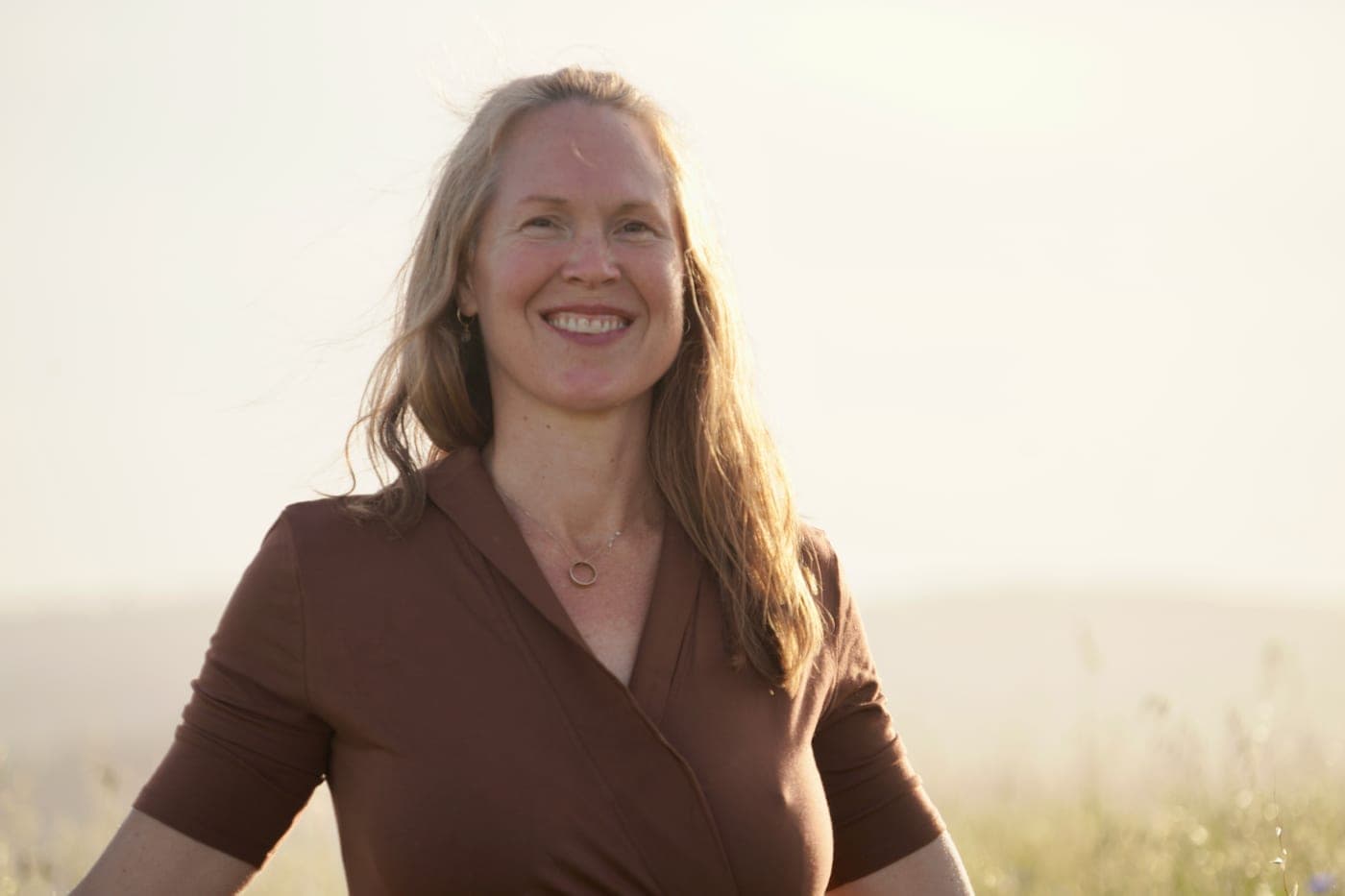
Your nervous system borrows steadiness from mine until it remembers its own.
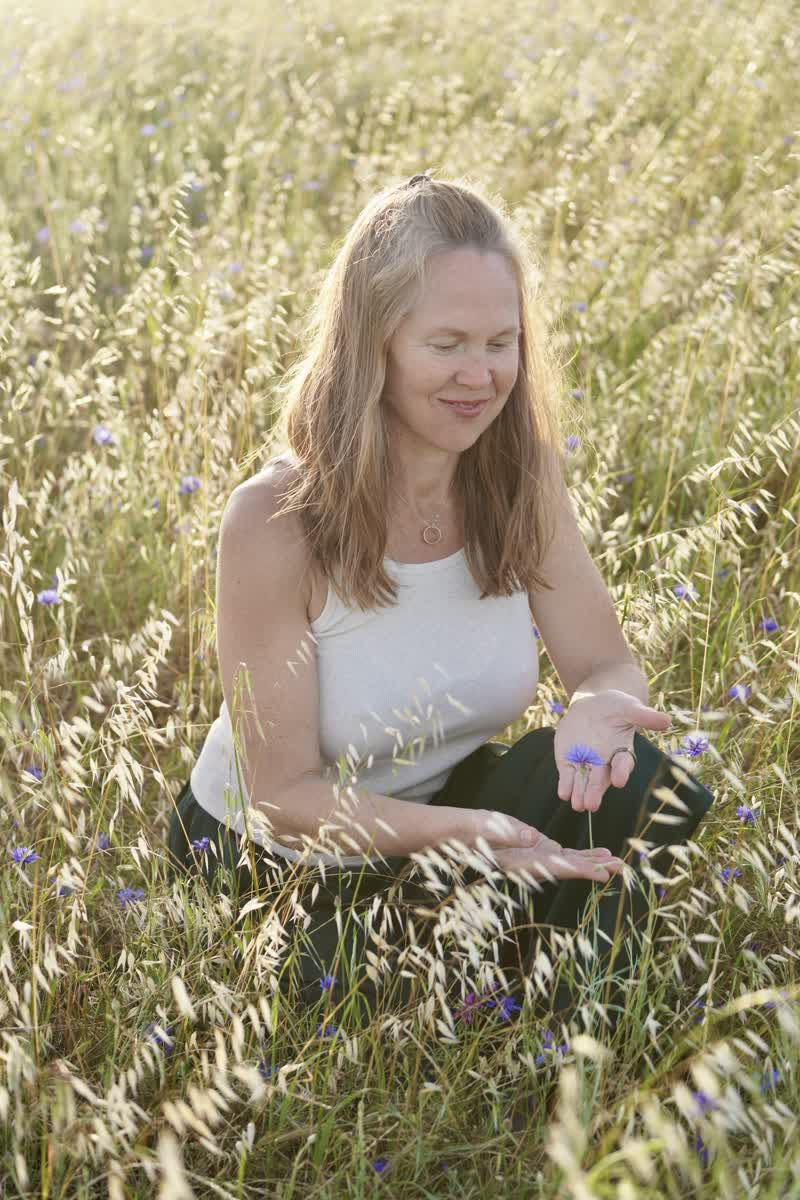
We stay here, together, in the only moment that is ever actually real.
Again and again, back to what your body already knows.

Soul & story
We work with every level of you — because the deepest healing happens when all of you is welcome in the room.
If this philosophy resonates, the next step is a conversation — free, unhurried, and yours.
Let’s Begin — Free 20-Minute Consultation